
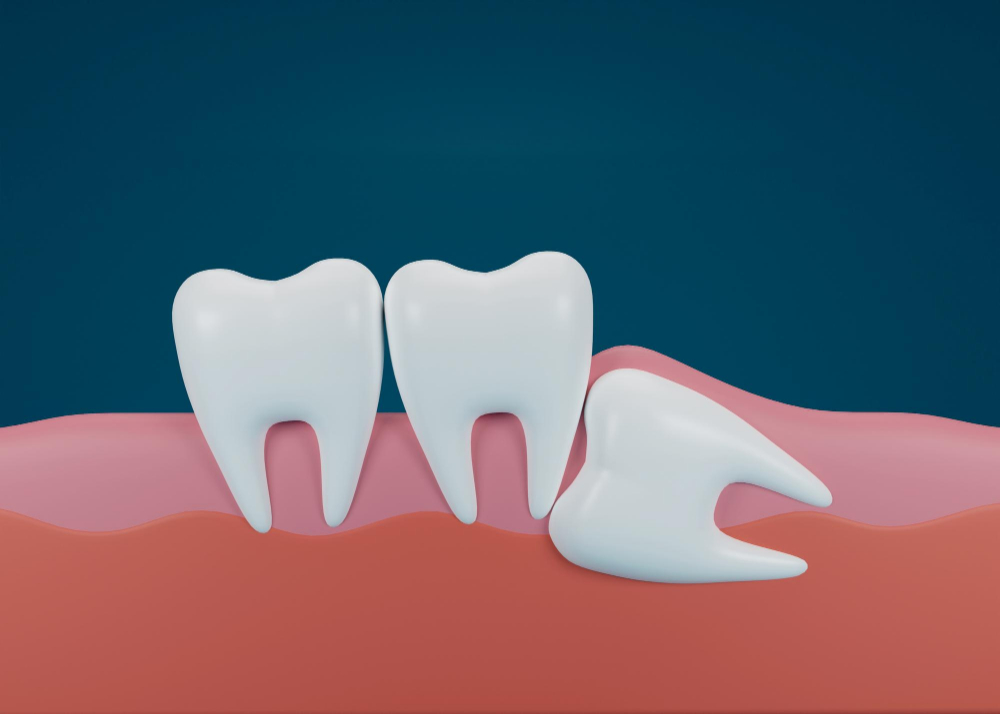
What Is a Wisdom Tooth?
Many people wonder about wisdom teeth. A wisdom tooth is the last adult tooth to grow in your mouth. Usually, these teeth appear between ages 17 and 25. Most adults have four wisdom teeth, one in each corner of the mouth. However, some people may have fewer or none at all. Because there is often not enough space, wisdom teeth can cause problems. For example, they may grow at an angle or get stuck under the gum. This is called an impacted wisdom tooth. Understanding wisdom teeth helps you spot issues early.
Common Symptoms of Wisdom Tooth Problems
Wisdom tooth symptoms can be mild or severe. Sometimes, you may not notice any signs at first. However, problems often develop as the tooth tries to come in. Look out for these common symptoms:
For example, wisdom tooth pain may come and go. But if the pain gets worse, it is important to seek help.
Causes of Wisdom Tooth Issues
There are several reasons why wisdom teeth cause trouble. First, the mouth often does not have enough space for these extra teeth. As a result, wisdom teeth may push against other teeth. This can lead to crowding or crooked teeth. In many cases, a wisdom tooth becomes impacted, meaning it cannot fully break through the gum. Impacted wisdom teeth can trap food and bacteria, causing infection or decay. Sometimes, cysts or damage to nearby teeth can also occur. Because of these risks, dentists watch wisdom teeth closely.
How Wisdom Teeth Are Diagnosed
Dentists use several methods to check for wisdom tooth problems. Usually, they start with a simple mouth exam. However, dental X-rays are often needed to see the position of the wisdom tooth. X-rays help spot impacted wisdom teeth, infections, or damage to other teeth. If you have symptoms like pain or swelling, your dentist may recommend an X-ray right away. Early diagnosis can prevent bigger problems later.
Treatment Options for Wisdom Tooth Problems
Treatment depends on your symptoms and the position of your wisdom tooth. In some cases, no treatment is needed if the tooth is healthy and not causing trouble. However, if you have pain, infection, or an impacted wisdom tooth, your dentist may suggest removal. Wisdom tooth removal is a common dental procedure. It can be done in the dentist’s office or at a dental clinic. Sometimes, antibiotics or pain relievers are given before or after the procedure. For severe cases, you may need to see an oral surgeon. If you are searching for “wisdom tooth removal near me,” ask your dentist for recommendations.
Prevention and Oral Care Tips
Good oral care can help prevent wisdom tooth problems. Although you cannot stop wisdom teeth from growing, you can lower your risk of infection and pain. Try these tips:
In addition, your dentist can monitor your wisdom teeth with X-rays and exams. Early care can prevent bigger issues.
When to See a Dentist
It is important to know when to seek help for wisdom tooth symptoms. See a dentist if you notice:
Even if your symptoms are mild, regular dental visits are key. Dentists can spot problems early and suggest the best treatment. According to the American Dental Association, early removal may prevent future issues.
In summary, wisdom tooth problems are common but treatable. With good oral care and regular check-ups, you can keep your mouth healthy. If you’re experiencing wisdom teeth issues, consult AK Dental Clinic for personalized care.