Introduction
Malocclusion means your teeth do not fit together as they should. It can affect your smile, chewing, and even speech. Understanding the root causes of malocclusion helps you know why it happens and how to prevent it. In this guide, we explain the main reasons behind malocclusion, how dentists find the causes, and what you can do to lower your risk.
What is Malocclusion?
Malocclusion is a dental term for teeth that are not aligned properly. This can mean teeth are crowded, crooked, or the upper and lower teeth do not meet as they should. Because of this, you may notice problems with biting, chewing, or cleaning your teeth. Malocclusion can also affect your appearance and self-confidence. Although it is common, knowing the causes can help you take action early.
Common Root Causes of Malocclusion
Many factors can lead to malocclusion. Some start early in life, while others develop over time. Below are the main root causes of malocclusion:
Genetics: If your parents had crooked teeth or jaw problems, you may inherit them. Genetics play a big role in how your teeth and jaws grow.
Childhood Habits: Thumb sucking, using a pacifier for too long, or tongue thrusting can change how teeth grow. These habits often start early and can affect tooth alignment.
Jaw Size Differences: Sometimes, the upper and lower jaws grow at different rates. This can cause the teeth to not fit together well.
Early Loss of Baby Teeth: Losing baby teeth too soon can let other teeth move into the empty space. As a result, adult teeth may not have enough room to grow straight.
Impacted Teeth: When teeth do not come out of the gums as they should, they can push other teeth out of place.
Extra or Missing Teeth: Having too many or too few teeth can lead to crowding or gaps. This affects how the teeth line up.
Injury or Trauma: Accidents that hurt the jaw or teeth can cause them to shift. This may lead to malocclusion later on.
Poor Dental Care: Not caring for your teeth can lead to decay or gum disease. These problems may cause teeth to move or fall out, changing your bite.
Tumors or Growths: Rarely, growths in the mouth or jaw can push teeth out of place.
How Dentists Diagnose Malocclusion Causes
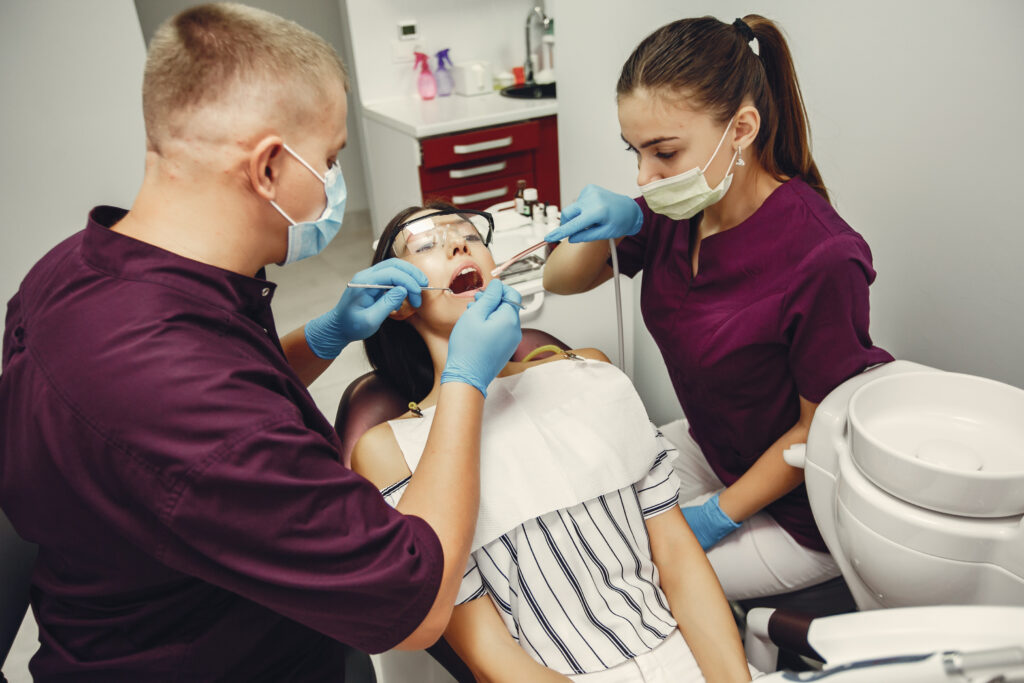
First, dentists look at your mouth and teeth during a dental exam. They may ask about your habits and family history. Next, they take X-rays to see the position of your teeth and jaws. Sometimes, they use dental molds to study your bite. Because of these steps, dentists can find the root causes of malocclusion and suggest the best treatment.
Prevention and Early Intervention Tips
While not all causes can be avoided, you can lower your risk with some simple steps. Here are tips to help prevent malocclusion:
Encourage children to stop thumb sucking and pacifier use by age three.
Visit the dentist regularly for early checks and advice.
Protect teeth during sports with a mouthguard to avoid injury.
Take care of baby teeth to prevent early loss.
Practice good oral hygiene to avoid decay and gum disease.
Seek dental care if you notice teeth shifting or jaw pain.
Because early action can make a big difference, talk to your dentist if you have concerns.
When to See a Dentist
It is important to see a dentist if you notice any of these signs:
Teeth that are crowded, crooked, or do not meet properly
Problems with biting, chewing, or speaking
Jaw pain or clicking sounds
Frequent mouth breathing or thumb sucking in children
Changes in your bite or smile
Early visits help catch problems before they get worse. In the United States, most dental offices offer exams for children and adults.
Frequently Asked Questions (FAQs)
Can malocclusion be prevented?
Some causes, like genetics, cannot be prevented. However, good habits and early dental care can lower your risk.
Is malocclusion common?
Yes, many people have some form of malocclusion. It can range from mild to severe.
Does malocclusion always need treatment?
Not always. Mild cases may not need treatment, but severe cases can affect health and may need braces or other care.
What age should children see a dentist?
The American Dental Association suggests a first visit by age one or when the first tooth appears.
Can adults develop malocclusion?
Yes, injury, tooth loss, or shifting teeth can cause malocclusion at any age.
Conclusion and Next Steps
Malocclusion can have many root causes, from genetics to habits and injuries. Because early action helps, regular dental visits and good habits are key. If you notice changes in your bite or your child’s teeth, do not wait. Consult a dental specialist at AK Dental Clinic for personalized advice about malocclusion.