
Introduction
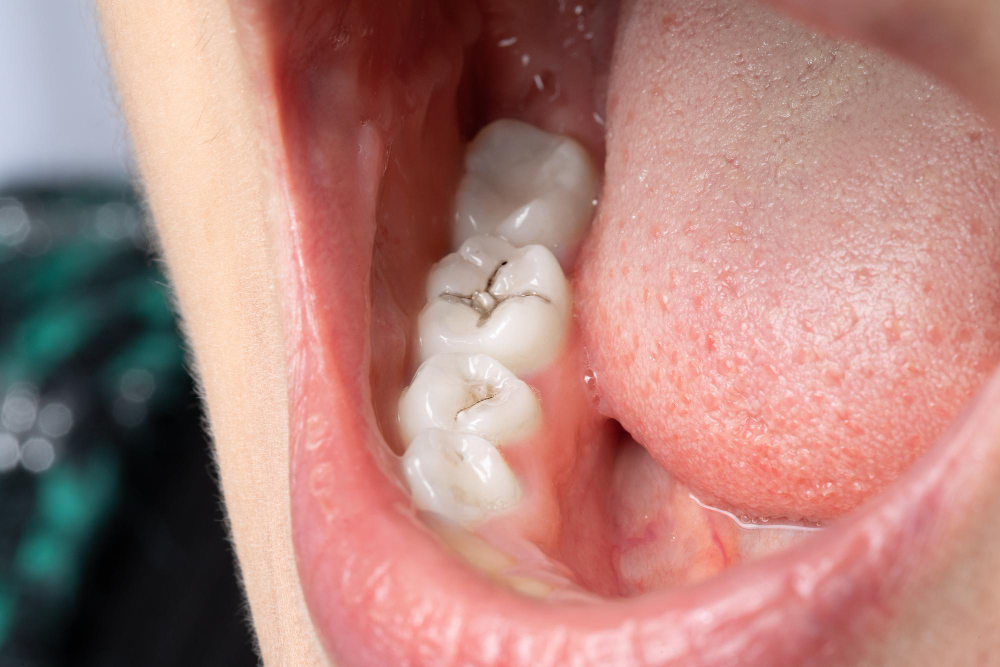
Dental caries, also known as tooth decay, is a common dental problem. It happens when the hard surface of your tooth breaks down. This can lead to cavities, pain, and even tooth loss. In fact, dental caries affects people of all ages. According to the World Health Organization (WHO), it is one of the most widespread health issues worldwide. Because it can harm your dental health, early care is important. In this blog, you will learn about the causes, symptoms, diagnosis, treatment, and prevention of dental caries.
Causes of Dental Caries
Dental caries starts when bacteria in your mouth feed on sugars from food and drinks. As a result, these bacteria produce acids. Over time, the acids wear away the tooth’s outer layer, called enamel. This process can create small holes, known as cavities. Several factors can increase your risk of dental caries:
Because these factors can work together, it is important to keep your mouth clean and healthy.
Common Symptoms
Dental caries may not cause pain at first. However, as the decay grows, you might notice signs such as:
If you notice any of these symptoms, you should visit your dentist soon. Early treatment can help prevent more serious problems.
Diagnosis Methods
Dentists use several methods to diagnose dental caries. First, they will look at your teeth during a dental exam. They may use a small mirror and dental tools to check for soft spots or holes. Sometimes, dentists use X-rays to see hidden decay between teeth. In some cases, special dyes or lasers help find early signs of tooth decay. Because early detection is key, regular dental check-ups are important for everyone.
Treatment Options
Treatment for dental caries depends on how much the tooth is damaged. For early decay, your dentist may suggest fluoride treatments to help repair the enamel. If a cavity has formed, the dentist will remove the decayed part and fill the hole with a dental filling. In more severe cases, you may need a crown to cover and protect the tooth. If the decay reaches the tooth’s inner part, a root canal may be needed. In rare cases, the tooth may need to be removed. Because each case is different, your dentist will choose the best treatment for you.
Prevention Tips
Preventing dental caries is easier than treating it. Here are some simple tips to help keep your teeth healthy:
Because prevention is so important, make these habits part of your daily routine.
Lifestyle Guidance for Oral Health
Good oral health is not just about brushing and flossing. It also involves healthy lifestyle choices. For example, eating a balanced diet with fruits, vegetables, and whole grains can help protect your teeth. Avoiding tobacco and limiting alcohol can also lower your risk of dental caries. If you play sports, wearing a mouthguard can protect your teeth from injury. Because your mouth is part of your overall health, taking care of it benefits your whole body.
Conclusion
Dental caries can cause pain and other problems if not treated early. However, with good habits and regular dental visits, you can prevent most tooth decay. If you notice any symptoms or have concerns about your dental health, consult a dentist at AK Dental Clinic for personalized advice.